Fashion & Interior Designing Courses in Kannur with Placement Support
Interior Design Trends 2026: What’s Shaping Modern Homes in India ?
INTRODUCTION
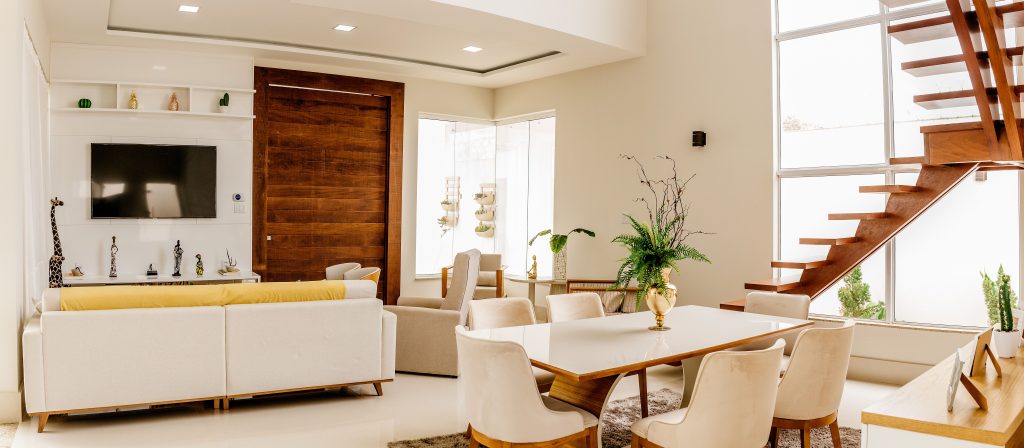
Interior design is constantly evolving, reflecting changes in lifestyle, technology, sustainability and personal preferences. In 2026, modern interiors are moving beyond simple decoration towards creating meaningful, functional and comfortable living environments.
From nature-inspired spaces and warm colour palettes to smart home technology and sustainable materials, the latest interior design trends focus on combining aesthetics with functionality.
For homeowners, architects and aspiring interior designers, understanding these trends is essential to creating spaces that are both visually appealing and practical.
Let’s explore the major interior design trends shaping modern Indian homes in 2026.
1. Biophilic Design: Bringing Nature Indoors
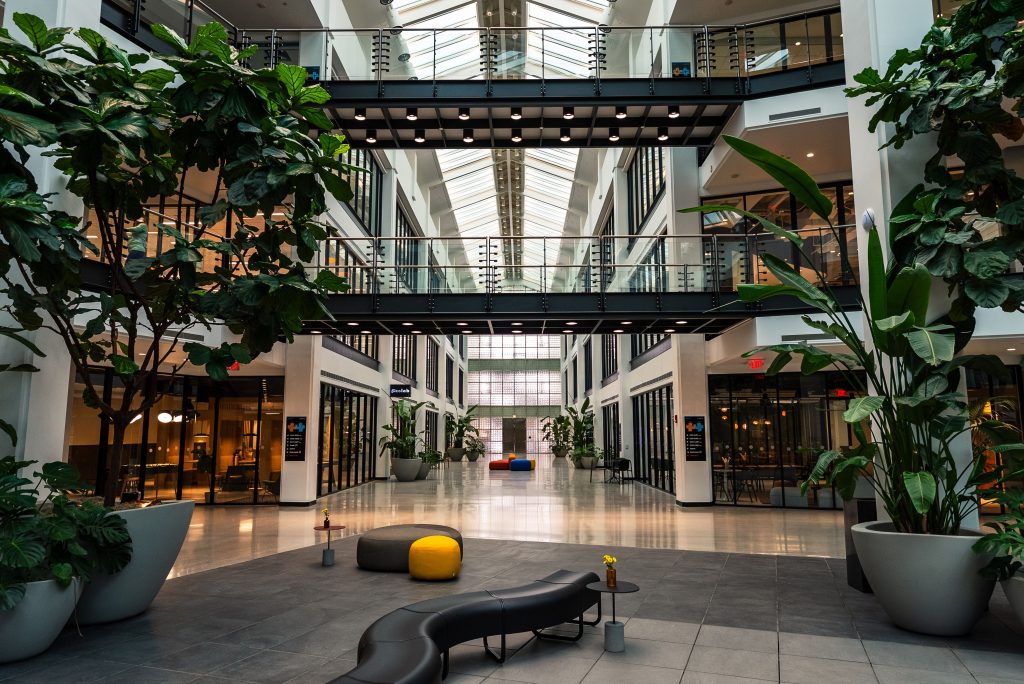
One of the most influential directions in modern interior design is biophilic design. It focuses on connecting indoor environments with nature.
Designers are increasingly incorporating indoor plants, natural lighting, ventilation, wooden textures and earthy materials into residential spaces.
Large windows, indoor gardens, natural stone and green walls can help create peaceful and refreshing environments.
In Indian homes, this approach can be especially useful when combined with balconies, courtyards and naturally ventilated spaces.
2. Warm and Earthy Colour Palettes
The preference for cold, plain interiors is giving way to warmer and more expressive colour combinations.
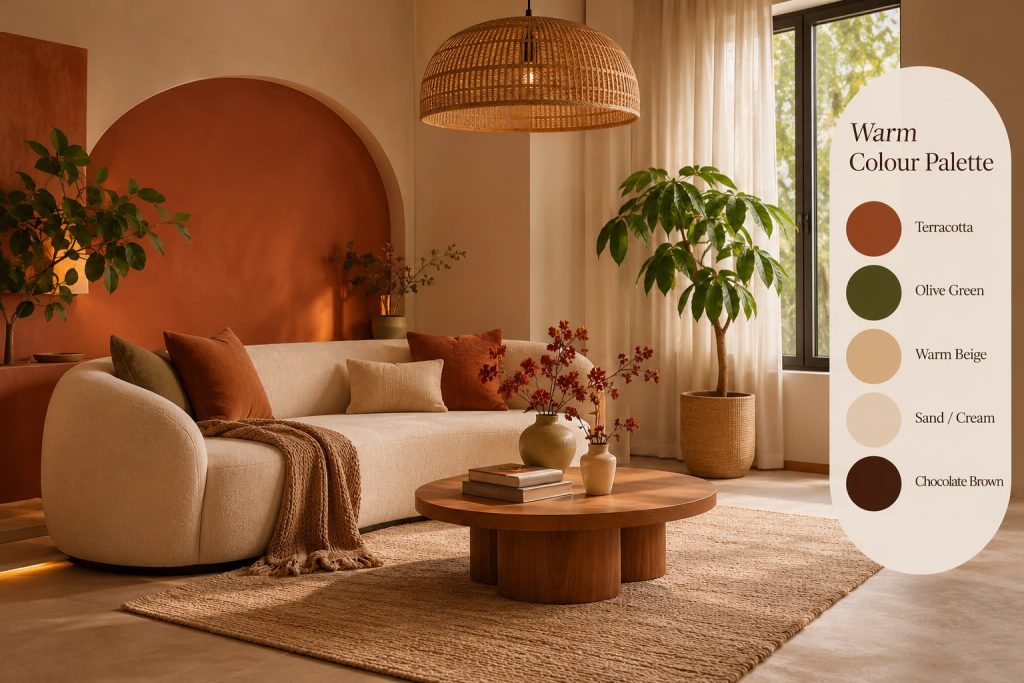
Popular shades include:
Terracotta
Warm beige
Chocolate brown
Olive green
Sand and cream
Muted earthy tones
These colours create a welcoming atmosphere and work beautifully with natural materials such as wood, stone and linen.
Interior designers are also experimenting with contrasting colours to give spaces more personality.
3. Sustainable and Eco-Friendly Materials
Sustainability is becoming an important consideration in modern interior design.
Rather than focusing only on appearance, designers are paying more attention to material selection, durability and environmental impact.
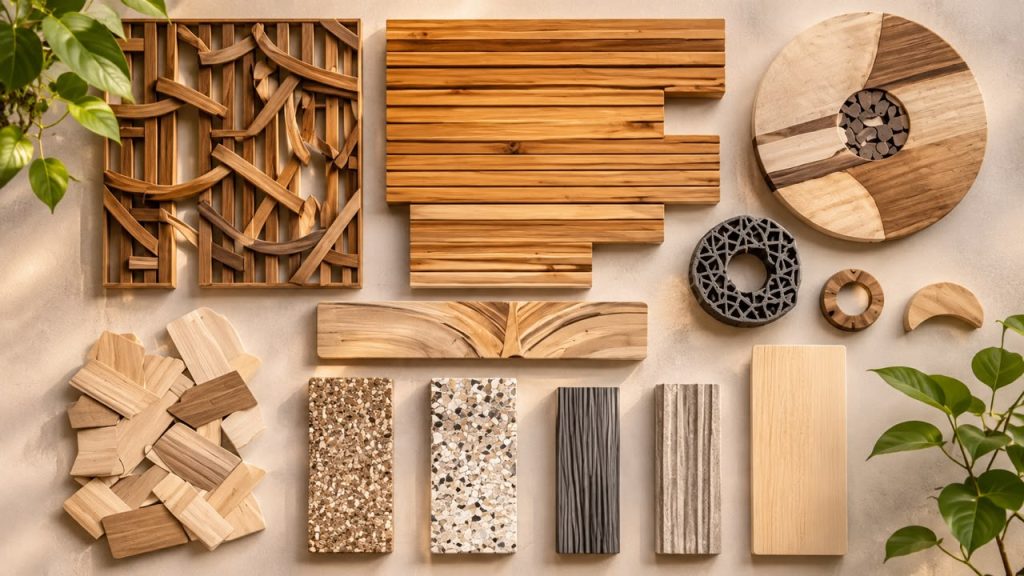
Some popular sustainable choices include:
Bamboo and reclaimed wood
Recycled materials
Natural stone
Locally sourced materials
Reusable and upcycled furniture
Energy-efficient lighting
In India, locally available materials and traditional craftsmanship can also inspire unique and environmentally conscious interiors
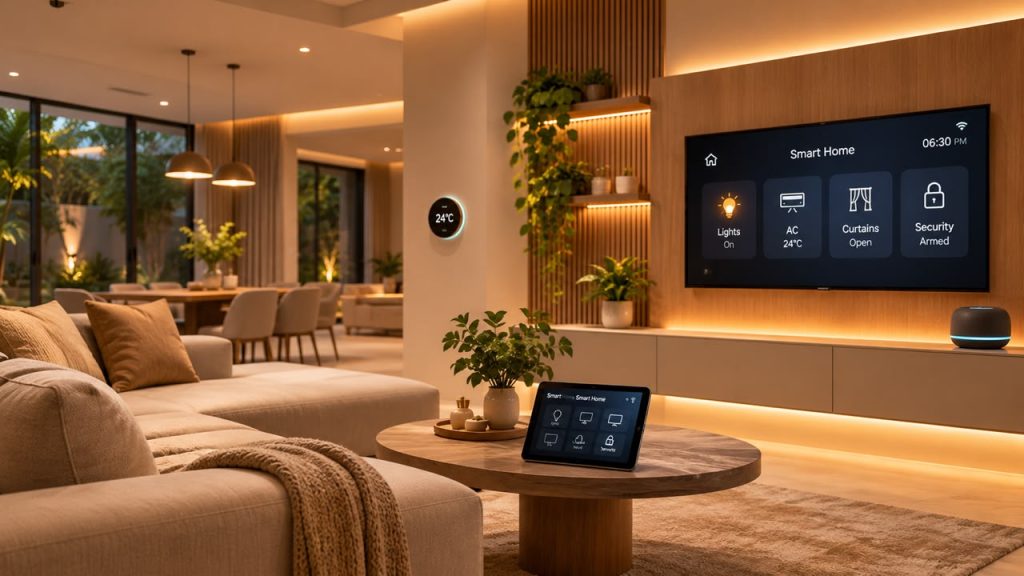
4. Smart Homes and Technology Integration
Technology is changing how people interact with their living spaces.
Smart lighting, automated curtains, intelligent security systems and voice-controlled appliances are becoming increasingly relevant to modern residential design.
The goal is not simply to add technology but to integrate it seamlessly into the interior.
For interior designers, understanding lighting automation, space planning and technology integration can create new professional opportunities.
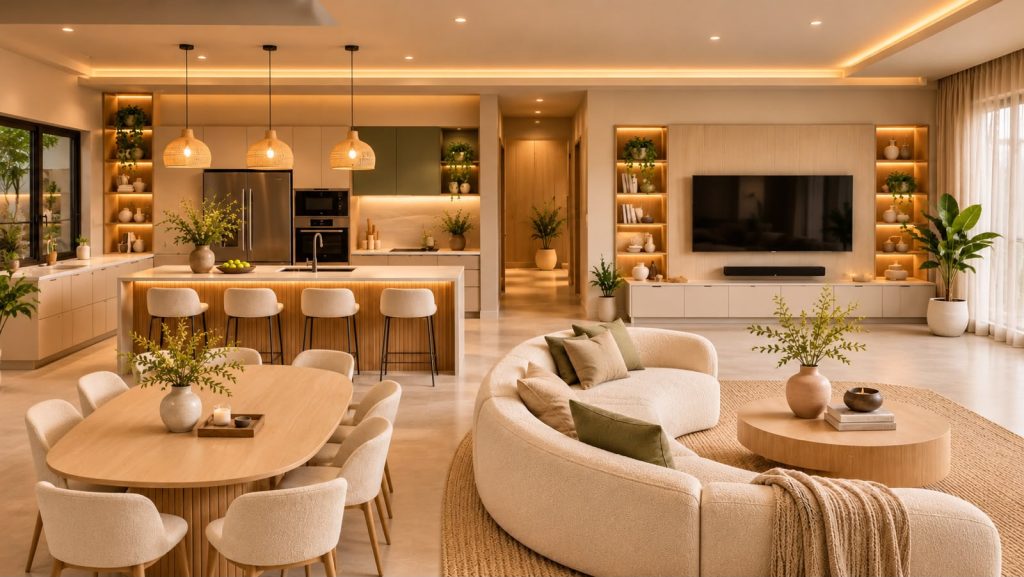
5. Minimalism with Warmth: The Japandi Influence
Japandi combines Japanese simplicity with Scandinavian functionality.
This design approach focuses on clean layouts, natural materials, functional furniture and uncluttered spaces.
Unlike cold minimalism, modern Japandi interiors often incorporate warm wood, soft textures, neutral colours and comfortable lighting.
It is particularly suitable for apartments and smaller homes where simplicity and efficient space utilisation are important.
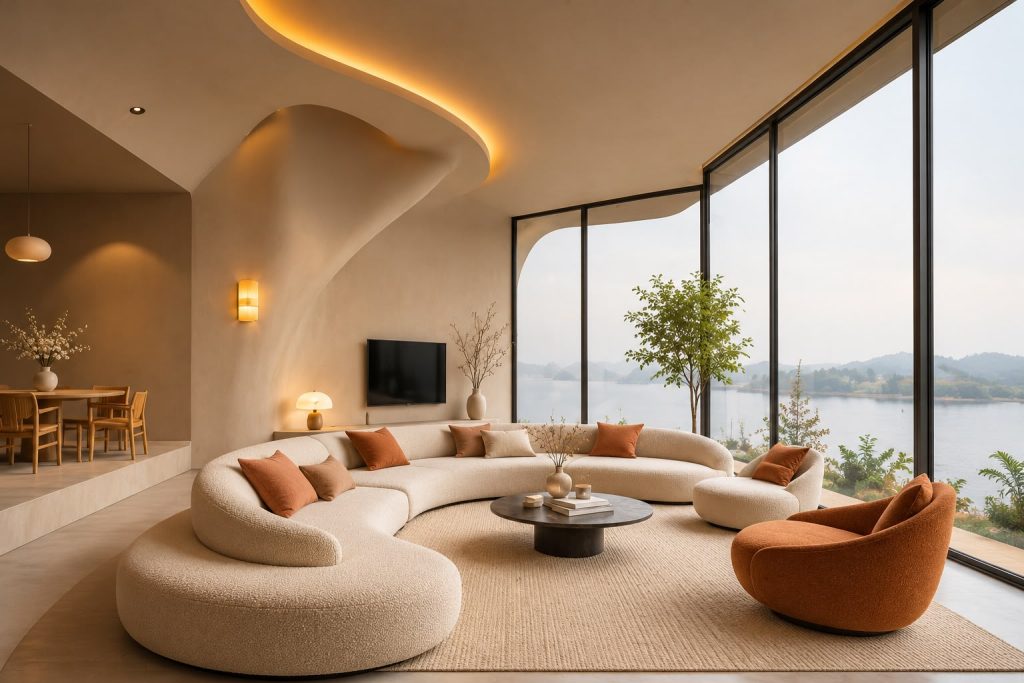
6. Curved Furniture and Organic Shapes
Straight lines and sharp edges are no longer the only defining features of modern interiors.
Curved sofas, rounded coffee tables, arched doorways and sculptural furniture are gaining attention.
These forms introduce softness and visual interest while creating more welcoming spaces.
Designers are also using organic shapes in lighting fixtures, decorative elements and architectural details.
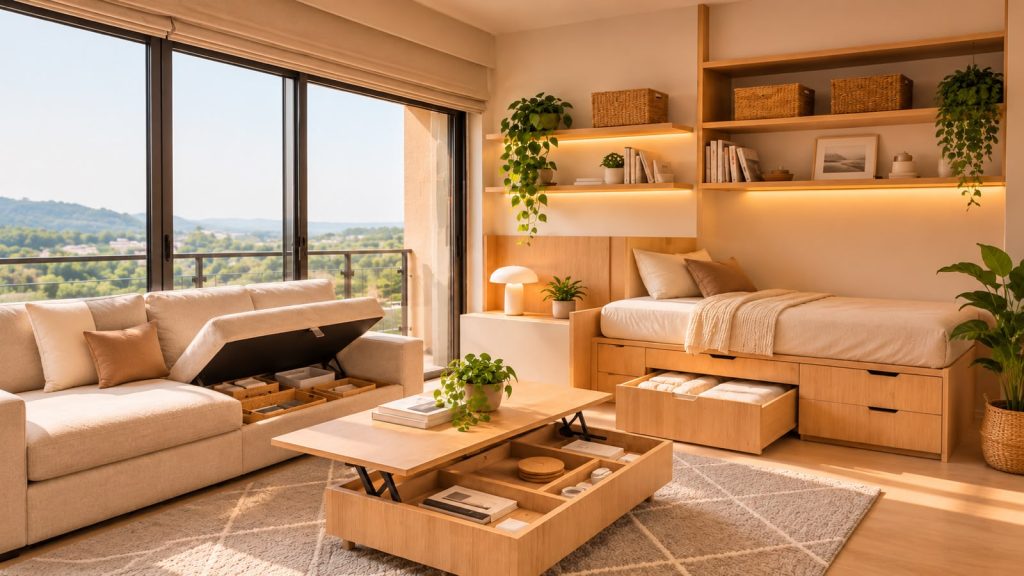
7. Multifunctional Spaces and Smart Storage
Homeowners are looking for furniture and layouts that serve multiple purposes.
Examples include:
Sofa beds
Foldable dining tables
Wall-mounted workstations
Built-in wardrobes
Hidden storage units
Multifunctional kitchen spaces
A well-designed interior should make the best possible use of every available space without compromising comfort or aesthetics.
Personalised Interiors and Statement Elements
Modern interiors are becoming more personal.
Instead of following one design style throughout a home, people are incorporating elements that reflect their personality, culture and lifestyle.
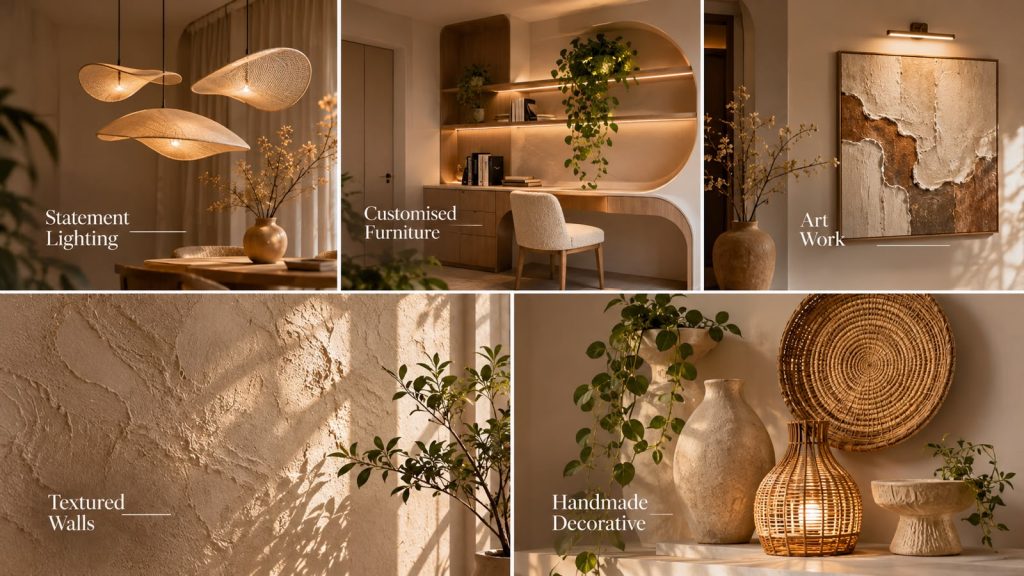
Statement lighting, customised furniture, artwork, textured walls and handmade decorative pieces can make a space distinctive.
The focus is shifting towards creating interiors that tell a story rather than simply following trends.
The Future of Interior Design in India
The future of interior design in India will involve a combination of creativity, technology, sustainability and practical problem-solving.
Designers will need to understand architectural drawings, materials, lighting, furniture layouts, 3D visualisation and modern design software.
Knowledge of tools such as AutoCAD, SketchUp and 3D visualisation software can help aspiring designers turn their concepts into practical designs.
As the industry evolves, professional training and hands-on experience will play an important role in preparing the next generation of interior designers.
Why Choose Interior Design as a Career?
Interior design offers opportunities to combine creativity with technical knowledge.
Students interested in this field can explore career paths such as:
Residential Interior Designer
Commercial Interior Designer
3D Visualiser
Space Planner
Furniture Designer
Interior Design Consultant
Design Entrepreneur
Developing practical skills, building a strong portfolio and understanding industry requirements can help students prepare for professional opportunities.
CONCLUSION
Interior design in 2026 is about creating spaces that are functional, sustainable, comfortable and meaningful.
From biophilic interiors and warm colour palettes to smart technology and multifunctional furniture, these trends demonstrate how design continues to adapt to modern lifestyles.
For aspiring designers, staying updated with industry developments and developing practical design skills are essential steps towards building a successful career.
At Golden Cross College of Design, students can explore their creativity, develop design knowledge and work towards understanding the evolving world of interior design.